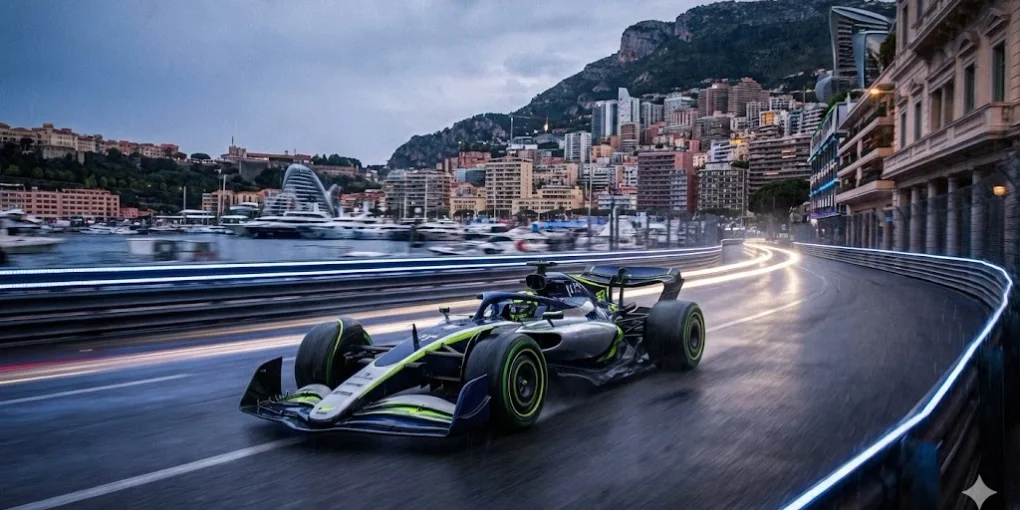
The 2026 Revolution: New Rules, New Engines, and an 11th Team
A New Era Begins
The 2026 Formula 1 season marks the beginning of a revolutionary era for the sport, characterized by the most significant regulation overhaul in over a decade. These changes aim to improve racing, enhance sustainability, and attract new manufacturers. The grid has transformed, the cars are nimbler, and the engines are greener.
2026 Regulation Changes
The 2026 ruleset focuses on a reimagined power unit and a “nimble car” concept, shifting the sport towards a future that balances road-relevance with pure racing spectacle.
Power Unit Overhaul
- 50/50 Power Split: The 1.6-liter V6 turbo internal combustion engine (ICE) remains, but the power distribution has changed drastically. The electrical power output has nearly tripled (from ~120kW to 350kW), creating an even 50/50 split between the ICE and the electric motor.
- Removal of MGU-H: The complex Motor Generator Unit-Heat (MGU-H) has been eliminated to reduce costs and attract new manufacturers.
- 100% Sustainable Fuels: All power units will now run on “drop-in” advanced sustainable fuels, ensuring no new fossil carbon is released into the atmosphere.
Aerodynamics & Chassis (“Nimble Car” Concept)
- Active Aerodynamics: Traditional DRS (Drag Reduction System) is replaced by active aero elements on the front and rear wings.
- Z-Mode: High downforce configuration for cornering.
- X-Mode: Low drag configuration for straights to maximize top speed.
- Manual Override Mode: Instead of DRS for overtaking, drivers now have a “Manual Override” boost system. When close to a car ahead, the chasing driver can deploy extra electrical energy to attack.
- Smaller & Lighter: Cars are designed to be more agile, with a 30kg weight reduction (minimum weight 768kg) and smaller dimensions (shorter wheelbase and narrower track).
The Expanded Grid: New Teams & Manufacturers
The 2026 grid expands to 11 teams and features a reshuffled driver market, including high-profile transfers and the arrival of rookie talents.
Manufacturer Entrants
- Audi F1 Team: Taking over the Sauber entry, Audi enters as a full works team with its own power unit.
- Cadillac Formula 1 Team: The American giant joins as the 11th team on the grid. Initially utilizing Ferrari customer engines, they are fielding an experienced lineup.
- Ford: Returns to F1 as a technical partner to Red Bull Powertrains.
- Honda: Returns officially as the works power unit supplier for Aston Martin.
2026 Driver Lineups
| Team | Power Unit | Driver 1 | Driver 2 | Key Notes |
|---|---|---|---|---|
| Ferrari | Ferrari | Charles Leclerc | Lewis Hamilton | The seven-time champion joins the Scuderia for a historic partnership. |
| Red Bull | Red Bull-Ford | Max Verstappen | Isack Hadjar | Rookie Hadjar is promoted to replace Yuki Tsunoda. |
| Mercedes | Mercedes | George Russell | Kimi Antonelli | Rookie sensation Antonelli steps up to replace Hamilton. |
| McLaren | Mercedes | Lando Norris | Oscar Piastri | The reigning champions (Constructors’) retain their strong lineup. |
| Aston Martin | Honda | Fernando Alonso | Lance Stroll | Alonso continues, now reunited with Honda power. |
| Alpine | Mercedes | Pierre Gasly | Franco Colapinto | Alpine switches to Mercedes engines; Colapinto secures the seat. |
| Williams | Mercedes | Alex Albon | Carlos Sainz | Sainz joins Williams in a major coup for the team. |
| Audi | Audi | Nico Hülkenberg | Gabriel Bortoleto | Experience meets youth with rookie F2 champion Bortoleto. |
| Haas | Ferrari | Esteban Ocon | Oliver Bearman | An all-new lineup featuring the Ferrari academy graduate Bearman. |
| Racing Bulls | Red Bull-Ford | Liam Lawson | Arvid Lindblad | A fresh lineup with rookie prospect Lindblad. |
| Cadillac | Ferrari | Sergio Pérez | Valtteri Bottas | The new team bets on veteran experience for their debut season. |